Meta Muse is a personal AI agent: an assistant that does tasks for you, such as shopping, booking travel, sending email and filling in forms, instead of only answering questions. Meta launched it on September 8, 2026, it is built by Meta Superintelligence Labs on the Muse Spark model, and it runs in the Muse app, on the web, inside WhatsApp and, soon, on Meta's glasses and the Muse Charm gadget.
It is not the same thing as Meta AI, the chatbot inside Instagram, Facebook and WhatsApp. This explainer covers what Muse does, where it runs, what it costs and what Meta says about your data.
The short version
- Muse is an agent that works in its own cloud computer with a browser, so it can visit sites, fill in forms and buy things after you approve.
- It is free for most use, with paid Power ($20 a month) and Maximum ($100 a month) plans that add usage, according to Meta and TechRepublic.
- It is available to adults 18 and over in the US, Canada, Singapore and, since November 23, 2026, the UK, with Japan also reported. Glasses support is still "in the months ahead."
- Meta AI is the older, lighter assistant for answers and image generation. Muse is a separate app that takes actions and keeps working after you close it.
- Meta says Muse data is kept away from its ad systems, but it has admitted its current setup is protected by policy, not by encryption Meta cannot open.
What Muse is and who built it
Meta's own description is short: "Muse is a personal AI agent. It doesn't just answer questions, it actually does the work." In practice that means you give it a goal ("find a stroller under $300 that fits in a small car boot and order it"), and it breaks the goal into steps, browses, compares and comes back to you before it spends money.
Muse is built by Meta Superintelligence Labs (MSL), the AI group Meta formed in mid 2025 to rebuild its AI efforts. MSL is led by Alexandr Wang, the former Scale AI chief executive who joined Meta in June 2025 as its first chief AI officer. Nat Friedman, who TechCrunch describes as head of product at MSL, is one of the public faces of the product. Muse runs on Muse Spark, the first model from MSL, which Meta announced on April 8, 2026 and describes as "a natively multimodal reasoning model with support for tool-use." Meta followed it with Muse Spark 1.1 in July.
Muse has caught on fast. Bloomberg reported it was the number one free app on Apple's US App Store and Google Play within two weeks of launch. On Meta's October 21 earnings call, Mark Zuckerberg said more than 10 million people had set up Muse and that about 25% of them use it daily. Shopping is the top activity. That user base is a big reason Meta now builds hardware around it, as you can see in our guide to the best AI gadgets.
What Muse can do today
According to Meta's launch posts and coverage from TechRepublic and Digital Trends, Muse can:
- Run errands on the web. It opens a browser, fills in forms, books travel, lowers bills and negotiates on your behalf.
- Shop with guardrails. It pays with Link by Stripe, which creates a one-time card so your real card number stays hidden. Meta says Muse is the first agent covered by Link's purchase protections. Shop Pay is supported in the UK and PayPal is listed as coming soon.
- Use connectors. These are approved links to services. Meta lists Walmart, Best Buy, Sephora, Wayfair, Instacart, Notion, GitHub, Box, Spotify, OpenTable, Instagram and the full Shopify catalogue, with local partners in each country (Marks & Spencer, Currys and Trainline in the UK, for example).
- Handle email and calendar. You choose whether it can only read your mail or also send. Muse is also getting its own email address.
- Work in the background. It keeps going after you close the app and comes back when something changes or it needs approval.
- Remember and suggest. It remembers details you mention once (a friend's allergy, a budget) and makes suggestions unprompted. You can turn the suggestions down or off, and tell it to forget things.
- Make things. TechRepublic reports it has access to a browser, file system and terminal, and can produce documents, PDFs and simple web pages.
- Look like whatever you want. You can choose its name, look, personality and voice, including accent and speaking pace.
What it cannot do: shop on Amazon. Amazon blocked Muse from Amazon.com on September 20, 2026, saying the agent did not identify itself and raised security concerns about customer logins. Meta says Muse cannot see passwords or card numbers. Amazon was still asking Meta to remove it from Muse in early November, and we found no report that the block has been lifted.
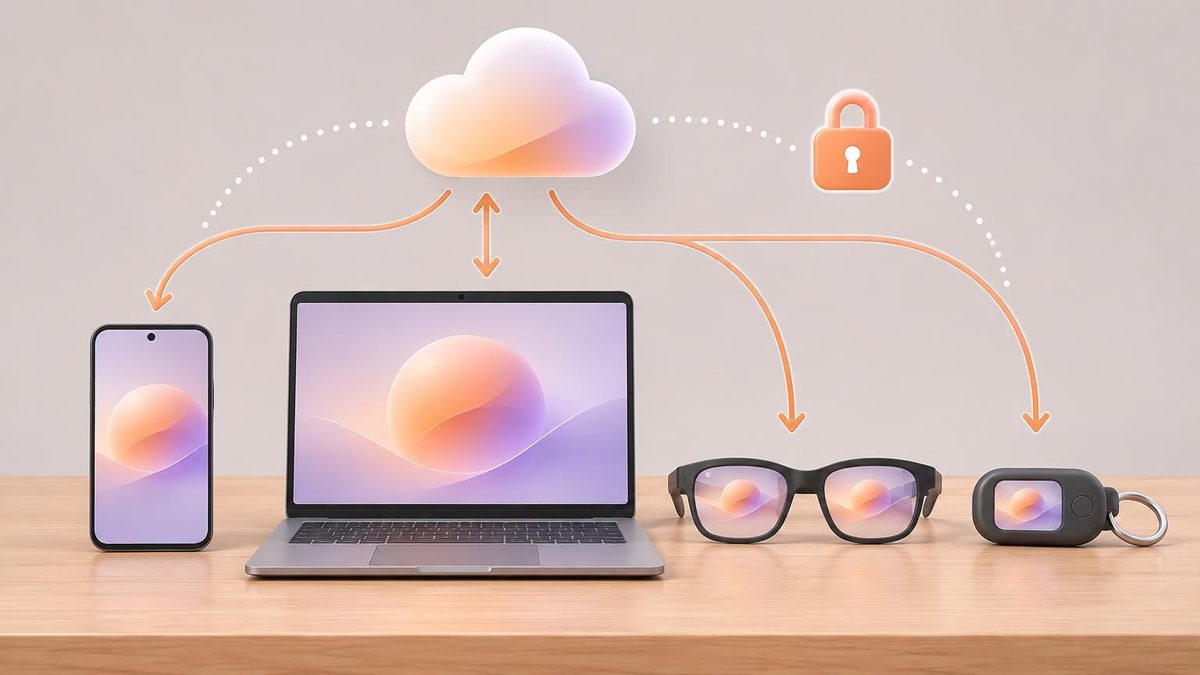
Where Muse runs: phone, web, glasses and Charm
| Where | Status on November 28, 2026 |
|---|---|
| Muse app for iPhone and Android | Available |
| Web at muse.ai | Available |
| Available, shares memory with the app | |
| Mac | Available; Digital Trends reports it can control Mac apps with your permission |
| Smartwatches (Wear OS, watchOS) | App released, according to Engadget |
| Meta AI glasses | Announced at Connect, "in the months ahead" |
| Muse Charm handheld | Announced, December ship target, not on sale |
| DIY "Muse Gadgets" | Open-source firmware and SDK released October 2, 2026 |
Glasses. At Connect on September 23, Meta said Muse will come to its AI glasses and will "act on what you're looking at," so you can point at a product on a shelf or a flyer on a wall and ask it to do something. Meta's UK launch post on November 23 still says "in the months ahead," so it has not arrived yet. If glasses are your main interest, see our guide to the best AI smart glasses and how Muse stacks up against Gemini and ChatGPT in our wearable assistant comparison.
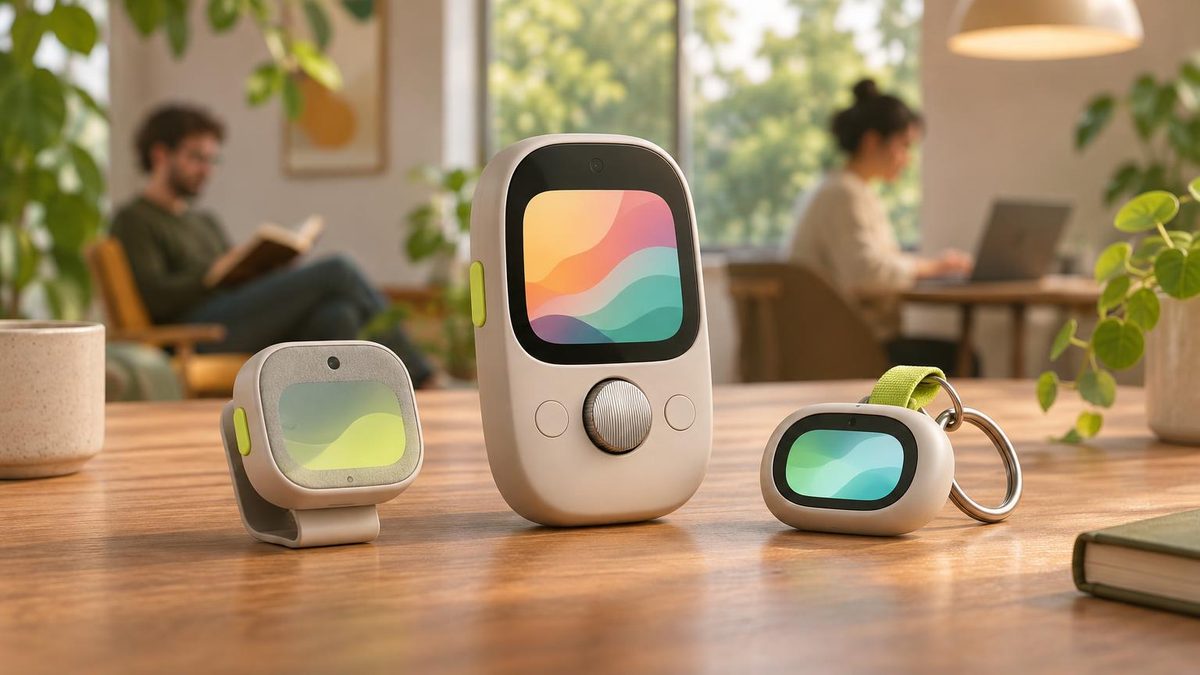
Muse Charm. This is a palm-sized handheld with a small screen and a fingerprint sensor you tap to talk. Meta plans to ship it in December. The Information reports a $300 price with up to a year of Verizon 5G, which Meta has not confirmed. Full details are in our Muse Charm price, specs and release date guide.
DIY hardware. In October, Meta published open-source firmware and a Linux SDK so hobbyists can build Muse devices on boards like ESP32 or Raspberry Pi, TechCrunch reports.
Muse vs Meta AI: what is the difference?
Meta now has two consumer AI products, and they share a model but not a job.
| Meta AI | Muse | |
|---|---|---|
| What it is | An assistant that answers questions and generates images and video | An agent that carries out tasks for you |
| Where it lives | Inside WhatsApp, Instagram, Facebook, Messenger, the Meta AI app and current Meta glasses | Its own Muse app, muse.ai and WhatsApp; glasses and Charm coming |
| Can it act on websites? | Not its main job | Yes, in its own cloud computer with a browser |
| Works after you close it? | Mostly no | Yes, and checks back when it needs you |
| Model | Muse Spark | Muse Spark |
| Price | Free; more AI usage via Meta One plans | Free with limits; $20 or $100 a month for more |
| Age | Varies by app | 18 and over |
Bloomberg put it simply: Muse connects to Gmail, calendars, OpenTable and websites and does work for you, while the Meta AI app focuses on image and short-video generation and is less personalised. Meta AI is what you talk to on Ray-Ban Meta glasses today. Muse is the one that will eventually order the thing you are looking at.
Do not confuse Muse plans with Meta One, Meta's separate subscription bundle for Instagram, Facebook and WhatsApp extras, which costs $7.99 or $19.99 a month for individuals and adds more Meta AI usage.
What Muse costs
Meta says Muse is "free for most of what people need, with subscription plans for people who want to do more." TechRepublic, reporting on the US launch, gives the tiers:
- Free: the full feature set, with a weekly usage cap.
- Power: $20 a month for more usage.
- Maximum: $100 a month for much more usage.
Paid plans buy volume rather than extra features, according to guides citing Meta's help centre. Meta has not published UK or EU plan prices. Long term, Zuckerberg says Muse should stay free for most people, with Meta taking a fee from businesses on purchases the agent makes.
Where Muse is available
- United States: since September 8, 2026.
- Canada: Zuckerberg cited US and Canadian users on the October earnings call.
- Japan: reported launch on October 23, 2026.
- Singapore: since late October 2026, Meta's first Southeast Asian market.
- United Kingdom: since November 23, 2026, on iOS, Android, muse.ai and WhatsApp.
There is no EU launch date yet. Zuckerberg said in October that computing costs are part of why the rollout has been slow, and that Meta expects to make Muse more than 10 times cheaper to run within a year.
Privacy: what Meta promises and where the gaps are
An agent that reads your email and holds your card is a bigger privacy question than a chatbot. Here is what Meta says:
- Each Muse runs on its own cloud virtual machine, called Muse Secure VM.
- A second agent, called Sentinel, sits on the same machine. Meta says "nothing Muse does reaches the internet unless the Sentinel approves it."
- Muse asks before sensitive actions like sending email or buying, and keeps a full audit trail you can read.
- Passwords and card details go into secure storage that Muse uses without seeing.
- Conversations and VM data are not shared with Meta's ad systems.
- You can switch off use of your Muse chats for training Meta's AI in Settings.
The catch: Meta has acknowledged, as reported by Wired and TechRepublic, that the Secure VM is not technically inaccessible to Meta. Only company policy stops it looking. Meta has promised a Muse Confidential VM, encrypted with a key only you hold, "later this year." Reports in October found it partly built in the web app, but it had not launched as of November 28.
If you plan to use Muse through cameras and microphones on glasses or the Charm, read our guide to the privacy risks of always-listening AI wearables too.
Should you try Muse?
If you live in a supported country, the free tier is worth a week of your time. Start with low-risk jobs (price tracking, a grocery list, a travel shortlist), keep purchase approvals on, connect only the accounts you need, and switch off training if that bothers you. Hold off on your main inbox until the Confidential VM ships.
FAQ
Is Meta Muse free?
Yes, for most use. Meta offers a free tier with weekly limits, plus Power at $20 a month and Maximum at $100 a month for heavier use.
Is Muse the same as Meta AI?
No. Both run on Meta's Muse Spark model, but Meta AI is an assistant inside Meta's apps that answers and creates, while Muse is a separate agent app that takes actions such as booking and buying.
Who made Muse?
Meta Superintelligence Labs, Meta's AI group led by chief AI officer Alexandr Wang. It launched on September 8, 2026.
Is Muse available in the UK or Europe?
Muse launched in the UK on November 23, 2026 for anyone 18 and over. There is no EU launch date yet.
Does Muse work on Ray-Ban Meta glasses?
Not yet. Meta says Muse is coming to its AI glasses in the months ahead. Today the glasses use Meta AI.
More on AI gadgets
Sources
Checked on November 28, 2026.
- Meta: Introducing Muse, the World's First Personal AI Agent Built for Everyone
- Meta: Introducing Muse in the UK, a Personal AI Agent You Control
- Meta: The Biggest News From Connect 2026
- Meta AI blog: Introducing Muse Spark
- TechRepublic: Meta Launches Muse AI Agent to Run Errands, Book Travel, and Shop
- Bloomberg via ArcaMax: Meta's new Muse AI app tops charts
- TechCrunch: Meta says Muse has over 10M users
- TechCrunch: Meta wants you to build your own Muse gadget
- Digital Trends: Meta's Muse AI agent is coming to its smart glasses
- Engadget: Meta's Muse Charm will reportedly cost $300
- GeekWire: Amazon blocks Meta's Muse AI assistant
- Social Media Today: Meta's Muse AI agents are now available in Singapore
- TechRepublic: Meta One pricing explained